Updated 11:09 AM,Mar 2,2021
Blood Clotting
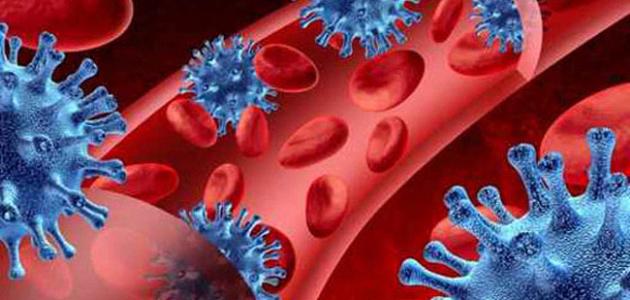
Blood clotting, also known as coagulation, is a complex biological process that the body naturally initiates to stop bleeding when a blood vessel is injured or damaged. This process involves forming a blood clot to seal the damaged area and prevent further blood loss. Two essential components are required for effective clotting: platelets and specialized proteins known as clotting factors. Normally, the body dissolves the formed clot once the injured area has healed. However, in certain cases, the clot may not dissolve properly or may form inside blood vessels without any apparent injury, posing serious health risks that require medical intervention.[1][2]
Mechanism of Blood Clotting
Initially, platelets migrate to the site of damage in the endothelial lining of blood vessels, where they aggregate and form a temporary plug to prevent blood from escaping through the wound. This stage is called primary hemostasis. Concurrently, secondary hemostasis begins, involving a series of complex chemical reactions driven by clotting factors—most of which are produced in the liver. The final step in this cascade converts fibrinogen into fibrin, an insoluble protein that forms a strong mesh over the accumulated platelets, reinforcing the plug and creating a stable blood clot. This solid layer effectively prevents bleeding until the damaged tissue heals.[1]
Blood Clotting Tests
Although blood clotting is a natural mechanism to prevent bleeding, abnormal clots can sometimes form within healthy blood vessels. These clots may travel through the bloodstream to vital organs such as the heart, lungs, or brain, potentially causing severe complications like stroke or heart attack. In reality, blood's tendency to clot and the time required for clotting can be measured through specific coagulation tests, which help assess the risk of excessive bleeding or dangerous clot formation. Several types of coagulation tests are commonly used, including the following:[3]
- Complete Blood Count: This test evaluates whether a person has anemia or a low platelet count, both of which can affect the clotting process.[3]
- Factor V Assay: This test measures the level of Factor V, one of the key proteins involved in coagulation. Low levels may indicate primary fibrinolysis (the breakdown of blood clots), liver disease, or disseminated intravascular coagulation.[4][3]
- Fibrinogen Level: This test assesses the amount of fibrinogen protein in the blood. Abnormal levels may suggest severe bleeding or placental abruption during pregnancy.[3]
- Prothrombin Time: This measures how long it takes for blood to clot, with normal clotting times ranging between 25 and 30 seconds. Abnormal results may point to liver disease or hemophilia.[3][5]
- Platelet Count: A low platelet count may be associated with celiac disease, vitamin K deficiency, or leukemia. It is important to note that certain medications or chemotherapy treatments can also reduce platelet levels.[3]
Symptoms of Blood Clotting
As previously explained, abnormal blood clot formation within blood vessels can lead to serious health complications. The symptoms vary depending on the location of the clot. Common signs include:[2]
- Heart clot: Chest pain and discomfort, shortness of breath, sweating, nausea, and dizziness.
- Brain clot: Facial weakness, weakness in arms and legs, difficulty speaking, vision problems, dizziness, and sudden, severe headache.
- Lung clot: Sharp chest pain, sweating, rapid heartbeat, shortness of breath, fever, and coughing up blood.
- Clot in arms or legs: Sudden or gradual pain, swelling, warmth, and tenderness in the affected area.
Risk Factors for Blood Clotting
Various factors can increase the likelihood of blood clot formation in different ways. Risks for arterial clots differ from those for venous clots, and genetic predisposition may also influence clotting speed and tendency. Key risk factors include:[2]
- Advanced age
- Obesity
- Physical inactivity, including prolonged immobility or long-distance travel
- Pregnancy
- Smoking
- High cholesterol levels
- Use of oral contraceptives
- Specific types of cancer
- High blood pressure
- Diabetes
- Chronic inflammatory diseases
- Certain surgical procedures
- Physical trauma
- Taking specific medications
Video: Symptoms of Blood Clotting
Blood clotting might be a sign of thrombosis! How do you know if you're experiencing it?
References
- ^ a b "Hemophilia, coagulation, and blood clotting", www.medicalnewstoday.com, Retrieved 2-3-2021. Edited.
- ^ a b c "Blood Clots", www.hematology.org, Retrieved 31-5-2018. Edited.
- ^ a b c d e f Ann Pietrangelo, "Coagulation Tests", www.healthline.com, Retrieved 31-5-2018. Edited.
- ↑ "Factor V assay", www.mountsinai.org, Retrieved 2-3-2021. Edited.
- ↑ "Prothrombin Time and International Normalized Ratio (PT/INR)", labtestsonline.org, Retrieved 2-3-2021. Edited.