Updated 08:27 AM,Jun 12,2025
Normal Cholesterol Levels
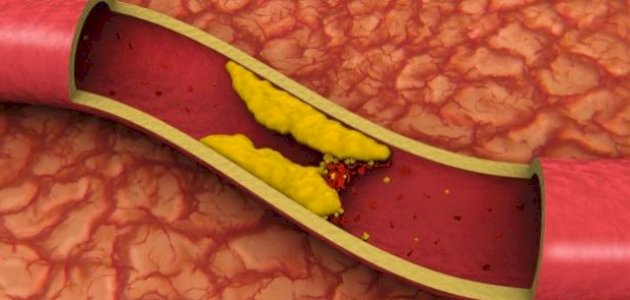
Knowing your blood cholesterol level helps predict the risk of heart disease and stroke. This level is measured through a comprehensive lipid profile test, also known as a lipid panel or blood fat map. This test shows levels of various types of fats in the blood, including cholesterol.[1] Key substances measured include:[2]
Total Cholesterol
[3]
|
Age group
|
Desirable and low risk of heart disease
|
Borderline high and moderate risk of heart disease
|
High and high risk of heart disease
|
|
Adults
|
Less than 200 mg/dL (5.18 mmol/L)
|
200–239 mg/dL (5.18–6.18 mmol/L)
|
240 mg/dL or higher (6.22 mmol/L or higher)
|
|
Adolescents
|
Less than 190 mg/dL (4.92 mmol/L)
|
190–224 mg/dL (4.92–5.80 mmol/L)
|
225 mg/dL or higher (5.82 mmol/L or higher)
|
|
Children and teenagers
|
Less than 170 mg/dL (4.4 mmol/L)
|
170–199 mg/dL (4.40–5.16 mmol/L)
|
200 mg/dL or higher (5.17 mmol/L or higher)
|
LDL Cholesterol (Bad Cholesterol)
LDL cholesterol, scientifically known as low-density lipoprotein, is referred to as "bad" cholesterol because it accumulates on artery walls and increases the risk of heart and blood vessel diseases. An LDL level of 190 mg/dL or higher is considered very high. Levels between 70 and 189 mg/dL are considered high in certain health conditions such as:[4]
- Diabetes diagnosed between ages 40 and 75.
- Diabetes combined with increased risk of heart disease.
- History of heart disease, stroke, or poor circulation in the feet.
- Presence of moderate to high risk factors for heart disease.
HDL Cholesterol (Good Cholesterol)
HDL cholesterol, scientifically known as high-density lipoprotein, is called "good" or "beneficial" cholesterol because it transports cholesterol from the bloodstream back to the liver for disposal. A lower HDL level—below 40 mg/dL in men and below 50 mg/dL in women—is associated with a higher risk of heart disease.[4]
Triglycerides
Triglycerides are another form of fat found in the body. Higher triglyceride levels increase the risk of heart and blood vessel diseases. Test results are interpreted as follows:[4]
- Normal level: Less than 150 mg/dL.
- High normal: 150–199 mg/dL.
- Elevated risk: 200–499 mg/dL.
- Very high risk: 500 mg/dL or higher.
Other Test Results
The test may also reveal additional results:[2]
- Cholesterol to HDL ratio: This measures the relationship between total cholesterol and beneficial cholesterol; values should be below 5.0.
- Very low-density lipoproteins (VLDL): These are harmful fat particles rich in triglycerides that contribute to plaque buildup in arteries. Normal VLDL levels range from 2 to 30 mg/dL.[5]
Tips to Maintain Normal Cholesterol Levels
While medications may be prescribed to improve cholesterol levels when they are high, doctors typically recommend starting with healthy lifestyle changes. Below are key recommendations:[6]
Adopt a Heart-Healthy Diet
Your diet plays a significant role in blood cholesterol levels. Following a heart-healthy eating plan is advised:[6]
- Include soluble fiber: Soluble fiber reduces cholesterol absorption. It’s found in foods like oats, beans, cabbage, apples, and pears.
- Reduce saturated fats: Limit red meat and full-fat dairy products, which are high in saturated fats. Consuming these fats raises blood cholesterol levels, and reducing intake can lower LDL (bad) cholesterol.
- Limit trans fats: Also known as partially hydrogenated vegetable oils, these are commonly found in margarine, snacks, and store-bought baked goods. Trans fats raise total blood cholesterol and have been banned by global health authorities since January 2021.
Exercise Regularly
Regular physical activity improves cholesterol levels. Moderate-intensity activities help increase HDL (good) cholesterol. Experts recommend at least 30 minutes of moderate exercise five days a week, or 20 minutes of vigorous aerobic activity three times a week. Always consult a doctor before beginning an exercise program, especially if you have a medical condition. Exercise also aids in weight management. Recommended activities include cycling, daily walks, or engaging in favorite physical activities with a friend for motivation.[7]
Quit Smoking
Quitting smoking supports overall health and specifically benefits cholesterol levels. Numerous proven methods exist to quit smoking, and following them increases success rates.[8]
Lose Excess Weight
Excess weight contributes to numerous health issues. Even a small amount above ideal body weight can raise blood cholesterol levels. Losing just a modest amount of weight can make a noticeable difference. Simple lifestyle adjustments—such as avoiding sugary drinks, drinking more water, choosing lighter desserts, and incorporating physical activity into daily routines—can help. Examples include using stairs instead of elevators, parking farther from your workplace, walking regularly, and doing household tasks like cooking and gardening.
Podcast: Common Misconceptions About Cholesterol
Many popular beliefs about cholesterol... are actually false!
In this episode of Meet the Leaders, hosted in collaboration with Novartis, we explore these myths and uncover the truth.
Featuring Dr. Hani Sabour, Cardiology Specialist
Enjoy watching the episode and gain a clearer, more accurate understanding of cholesterol.
References
- ↑ "Cholesterol and lipid tests", healthdirect.gov.au, August 2018, Retrieved 1-9-2020. Edited.
- ^ A B "Lipid Profile | Cholesterol Test", mainehealth.org, Retrieved 2-9-2020. Edited.
- ↑ "Cholesterol", labtestsonline.org, 26-4-2020, Retrieved 2-9-2020. Edited.
- ^ A B James Beckerman (16-7-2020), "Understanding Your Cholesterol Test Results", webmd.com, Retrieved 2-9-2020. Edited.
- ↑ "Cholesterol testing and results", mountsinai.org, Retrieved 2-9-2020. Edited.
- ^ A B "Top 5 lifestyle changes to improve your cholesterol", mayoclinic.org, Aug. 28, 2020, Retrieved 2-9-2020. Edited.
- ↑ "Top 5 lifestyle changes to improve your cholesterol", drugs.com, Jul 31, 2020, Retrieved 2-9-2020. Edited.
- ↑ "High cholesterol", nchmd.org, 7/13/2019, Retrieved 2-9-2020. Edited.